
I've been smoking meat on a pellet grill for four years, and for the first two I grabbed whatever bag was cheapest at the hardware store. Then a neighbor handed me a 40-pound bag of Bear Mountain hickory, and the brisket that came off that weekend had bark I'd never gotten before. This is the list of ten reasons I've stuck with them since.
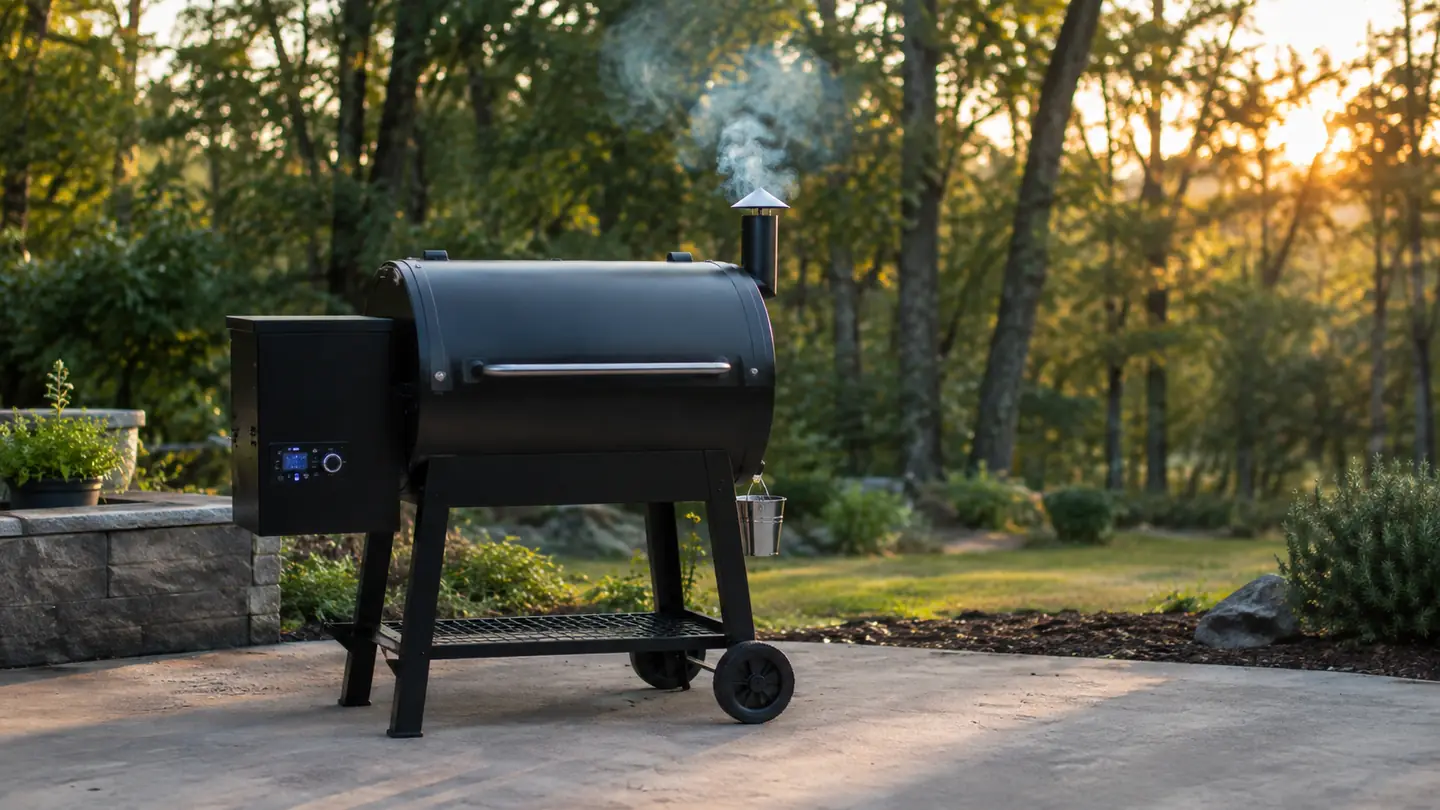
I cook on a mid-size pellet smoker I bought used, on a concrete patio behind my house in Grand Rapids. Most weekends there are six to ten people over, and the smoker runs for six to eight hours. I've burned through a lot of pellets, and I've got opinions about most of them.
Why hickory from a real hardwood brand?
If you're still buying blended pellets, you're leaving flavor on the table. Bear Mountain uses 100% hickory, and it shows in the bark, the smoke ring, and the clean finish.
Amazon Check Today's Price on Amazon →Bark sets up faster
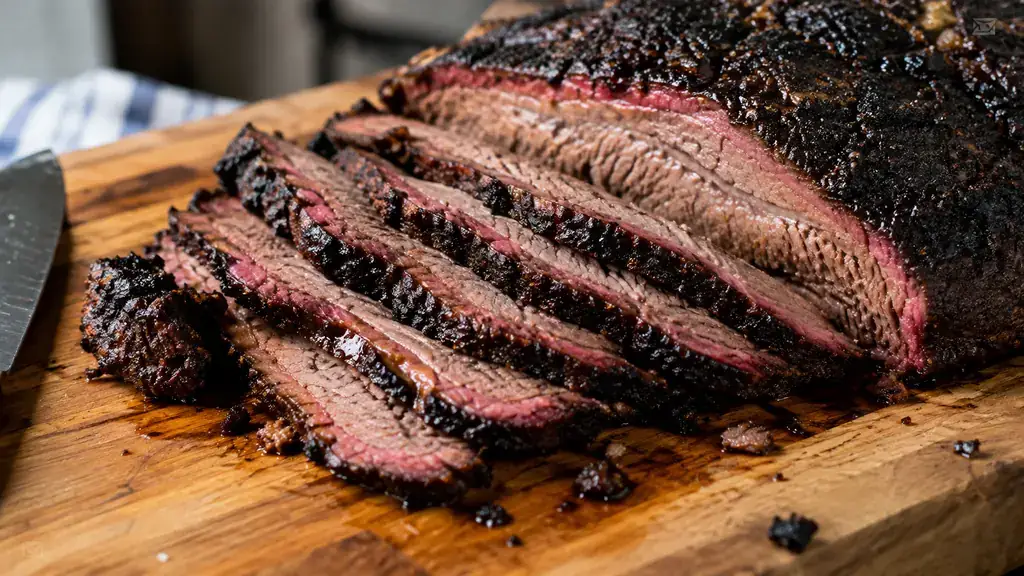
The first thing I noticed was the bark. On a 12-pound brisket, I usually got a good crust after six hours. With Bear Mountain hickory, the bark was dark and set by the five-hour mark. The difference is the wood itself. Hickory is a dense hardwood that burns hot and clean, so the surface of the meat gets that mahogany color sooner. I've had cheap blends that produced a pale, sticky bark that never crisped. This one doesn't fight you. I remember that first weekend specifically. The wind was calm, the smoker held steady at 225, and when I wrapped the brisket at the five-hour mark, the bark had a deep reddish-brown color that I'd only seen in pictures. That's what sold me.
Deeper smoke ring
The smoke ring is the pink layer just under the bark. It's a chemical reaction between the wood smoke and the meat, and it shows up when you get a consistent, clean burn. With Bear Mountain, I see a ring about a quarter-inch deep on pork butts. The cheap pellets I used to buy gave me a thin, uneven line. Hickory produces the right kind of nitrogen dioxide and carbon monoxide that create that ring. It's not just cosmetic; it means the smoke actually penetrated the meat. On a recent pork shoulder, I cut into it after nine hours and the ring was a solid half-inch around the entire exterior. That's the kind of result you can't get from a blended pellet.
Cleaner flavor, no bitter aftertaste
Some pellets are made from sawdust and filler, and they burn with a bitter, acrid smoke that clings to the meat. Bear Mountain hickory is pure hardwood, no binders, no flavor oils. The smoke smells like a campfire, not a chemical plant. I did a side-by-side with a bag of generic hickory blend once, and the difference was obvious. The generic one left a sour note on the chicken. The Bear Mountain one was clean and sweet, even on a long cook. That was on a 14-hour brisket, and the flavor stayed bright from the first bite to the last. My neighbor even asked what I'd done different.
Steadier temperature
My smoker has a temperature controller, but it still depends on the pellets. Cheap pellets vary in size and density, so the burn rate swings and the temp wanders. Bear Mountain pellets are uniform, and the hopper feeds them evenly. On a cold February cook, I held 225 degrees for five hours without touching the dial. That's the kind of consistency that turns out tender meat instead of dried-out slices. The temperature probe stayed within two degrees the whole time. I've had other brands swing ten or fifteen degrees in the same conditions.
Less ash, easier cleanup
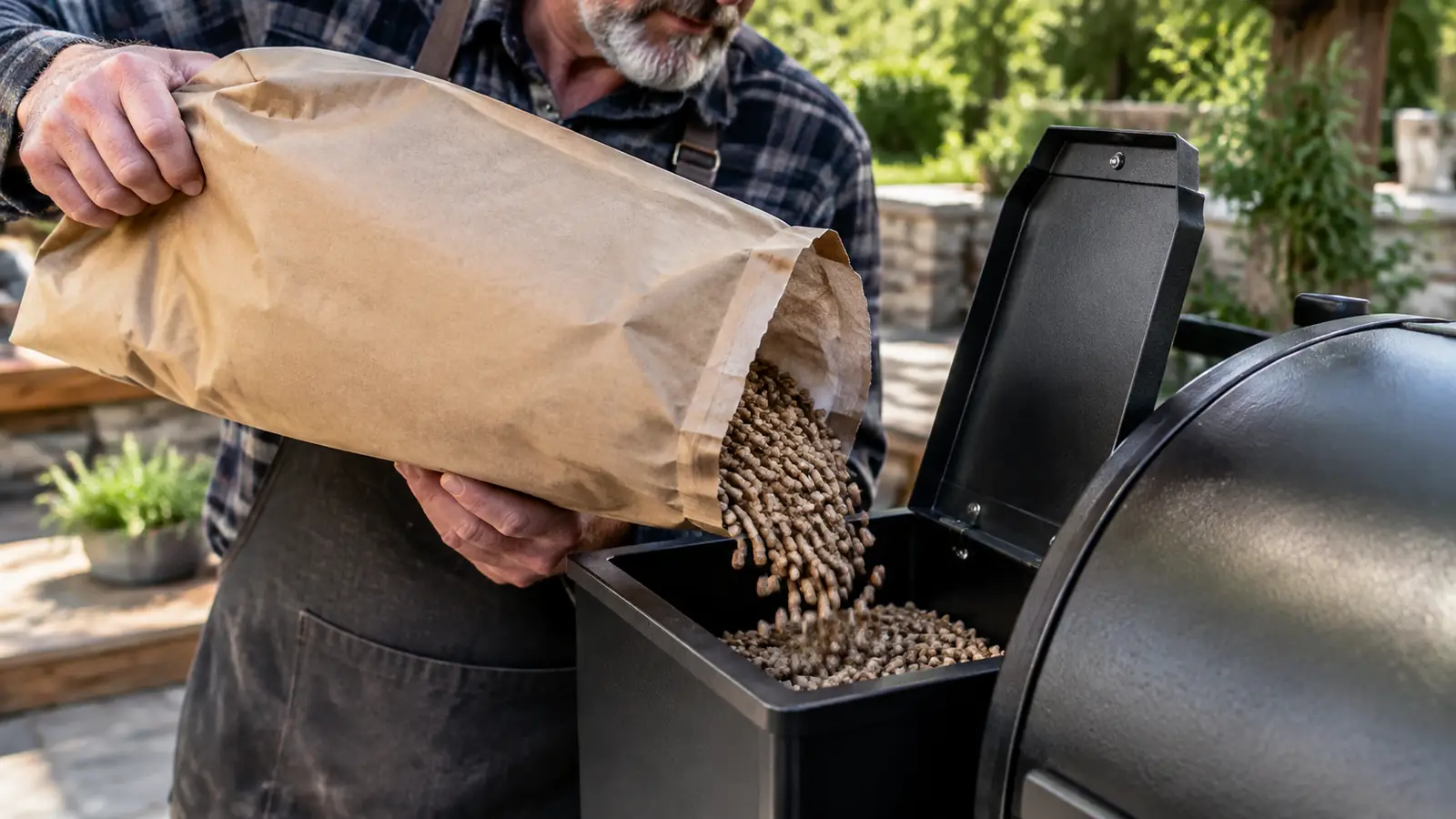
After a long cook, I used to spend twenty minutes vacuuming ash out of the firebox. With Bear Mountain, there's maybe a third as much ash. The pellets are compressed cleanly, so they burn down to a fine dust instead of clumps of clinker. I can empty the ash tray in two minutes. That's a real difference when you're doing three cooks in a weekend. I ran a twelve-hour pork butt on a Sunday and the ash pan was barely half full. The next weekend I did two racks of ribs and a chicken, and I still only had to clean it once.
Built for long cooks
Brisket takes twelve to fourteen hours sometimes. I've had cheap pellets turn to dust and plug the auger at hour eight, which is a disaster. Bear Mountain hickory burns slow and even. I did a sixteen-hour cook on a pork shoulder once and never had a feed issue. The bag lasts longer too, because you're not feeding the fire as much to keep temp. That sixteen-hour cook started at midnight in a light snow, and the smoker never hiccuped. The pellets kept feeding and the temp never dropped below 220.
Works in cold weather
Michigan winters are no joke. In January, the thermometer reads single digits and the wind cuts through. Pellet smokers struggle in the cold because the fire needs to work harder. Bear Mountain pellets are dense enough that they keep a steady burn even at ten below. I ran a brisket overnight when it was four degrees out, and the temp never dropped below 220. That's a pellet I trust when it's freezing. The cold can make some pellets crumble and turn to sawdust in the auger, but these stayed intact.
Better smell
The whole neighborhood knows when I'm smoking, and they show up with empty plates. But the smell is different with real hickory. It's sweet and woody, like a fall bonfire. Cheap pellets smell like burning plastic sometimes, and that smell gets into the meat. Bear Mountain hickory has that classic barbecue aroma that makes people wander over. Last summer, the guy two houses down knocked on my door because he smelled it from his deck. That's the kind of scent you can't fake with flavor oils.
More cooks per bag
I went through a 40-pound bag of generic pellets in about four long cooks. The same size bag of Bear Mountain lasted six cooks. Because the pellets burn more completely, you use less to hold the same temperature. At today's pellet prices, that difference adds up. I do the math every time I load the hopper. A bag of these costs a little more upfront, but the cost per cook ends up lower because you're not feeding the fire as much.
Honest price for real hardwood
These aren't the cheapest pellets on the shelf. But they're not the most expensive either. The price is fair for what you get: a bag of pure hickory that burns clean and lasts. I've tried a couple of premium brands that cost twice as much and didn't perform any better. Bear Mountain hits the sweet spot for me. When I factor in the longer bag life and the cleaner burn, they're actually the best value I've found. And I've burned a lot of bags.
What I'd Skip
If you only use a gas grill and never smoke, these pellets are a waste. They're also not for someone who wants a subtle smoke flavor; hickory is assertive. If you're using a charcoal kettle and just want a hint of smoke, you're better off with wood chips. But for anyone running a pellet smoker regularly, this is a solid choice.
The bark set up five hours into that first brisket, and I knew I wasn't going back to the cheap blends.
Ready to see what real hickory does?
Grab a bag of Bear Mountain hickory for your next cook. Your bark will thank you.
Amazon Check Today's Price on Amazon →